Uganda is often hailed as Africa’s premier birding destination, boasting of over 1,000 species
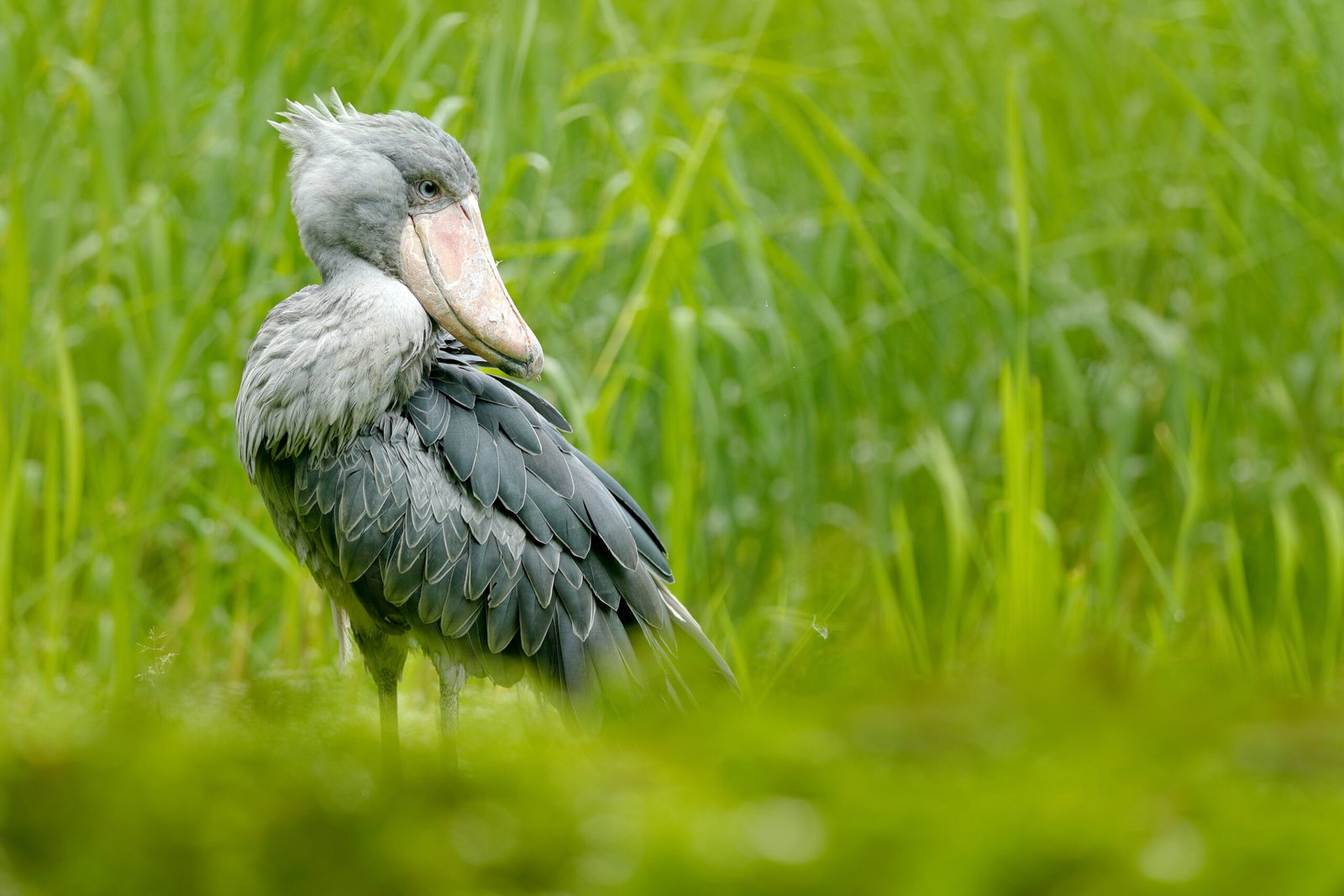
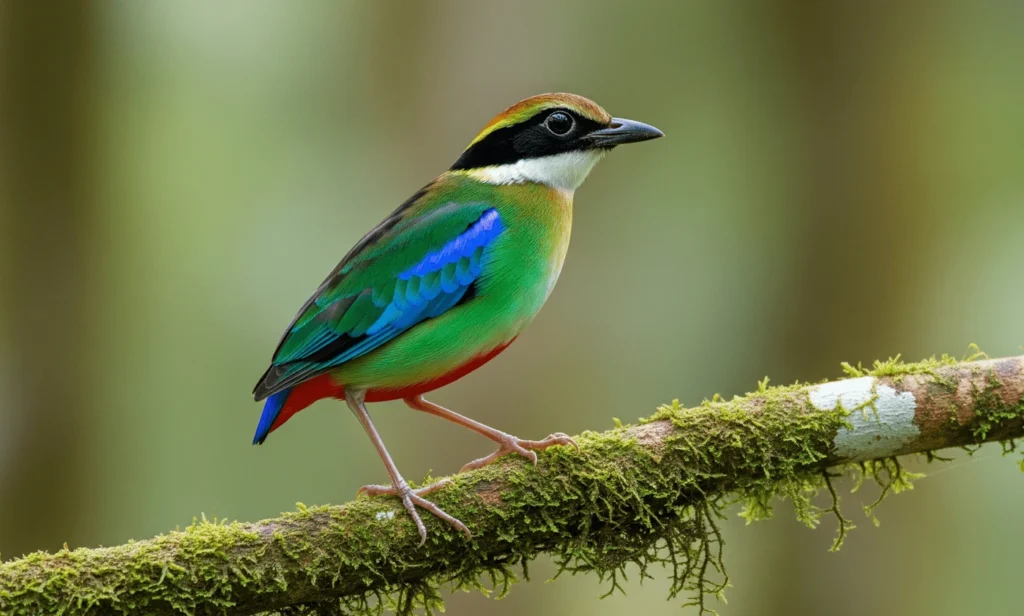
in an area the size of Great Britain. This 7-day itinerary focuses on the “Big Three” birding hotspots, Mabamba Swamp (for the Shoebill), Kibale Forest (for the Green-breasted Pitta), and Queen Elizabeth National Park (for savanna and water birds).
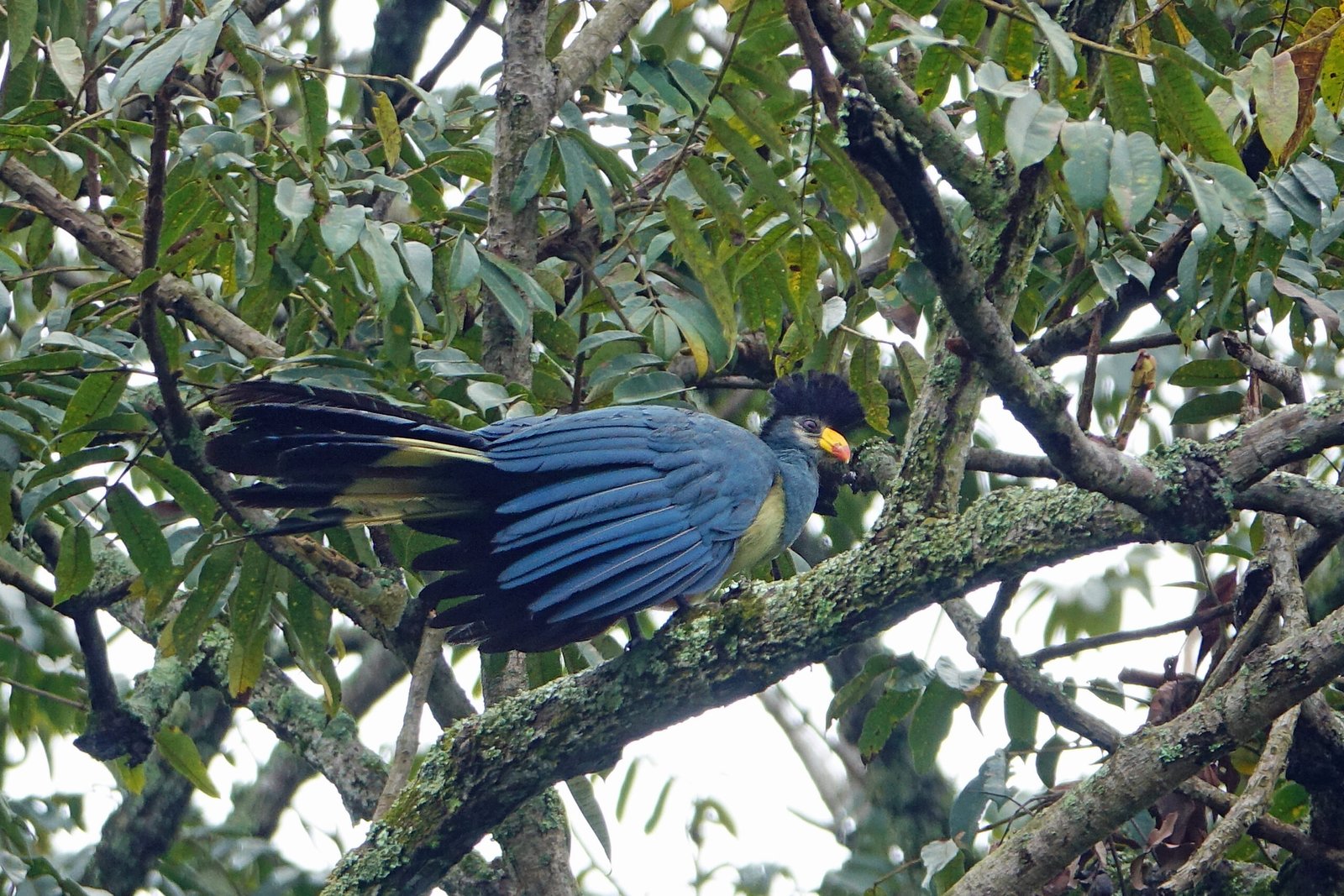
We’ll begin our birding journey at the historic Entebbe Botanical Gardens on the shores of Lake Victoria. This is a perfect introduction to Uganda’s birdlife, where we’ll look for the Great Blue Turaco, Ross’s Turaco, and the Black-and-white-casqued Hornbill. After an early lunch, we’ll take a boat across the bay or drive about 50 KM to the Mabamba Wetlands, famous as a prime location to see the rare, prehistoric-looking Shoebill stork, alongside over 300 other bird species. Here, we’ll board motorized wooden canoes to navigate the narrow papyrus channels in search of the prehistoric-looking Shoebill Stork. Keep an eye out for the Malachite Kingfisher, Lesser Jacana, and the secretive Papyrus Gonolek before returning to your accommodation for dinner and an overnight stay.

After an early morning breakfast, We’ll start our journey early heading west on a 310 KM drive toward Fort Portal. The route takes us through rolling green tea estates that signal our arrival in the primate capital. After lunch in Fort Portal, we’ll move to the edge of Kibale Forest. We’ll spend the afternoon on a gentle walk through the Bigodi Wetland Sanctuary, a community-run project where the boardwalks take you over swampy forest floors, perfect for spotting the Great Blue Turaco, Papyrus Canary, and various primates like the Red Colobus. We’ll settle into the lodge early so you can enjoy dinner and the sounds of the rainforest.
The morning is dedicated to finding one of Africa's most elusive birds: the Green-breasted Pitta. We’ll enter the forest at dawn, as this is the best time to hear its distinct display call. After the Pitta search, we’ll continue birding the forest trails for specialists like the African Emerald Cuckoo, Black-billed Turaco, and Narina Trogon. In the afternoon, we’ll take a short drive to explore the nearby crater lakes area, looking for forest-edge species and sunbirds while enjoying views of the Rwenzori Mountains. We return to the lodge for dinner and a second night under the forest canopy.
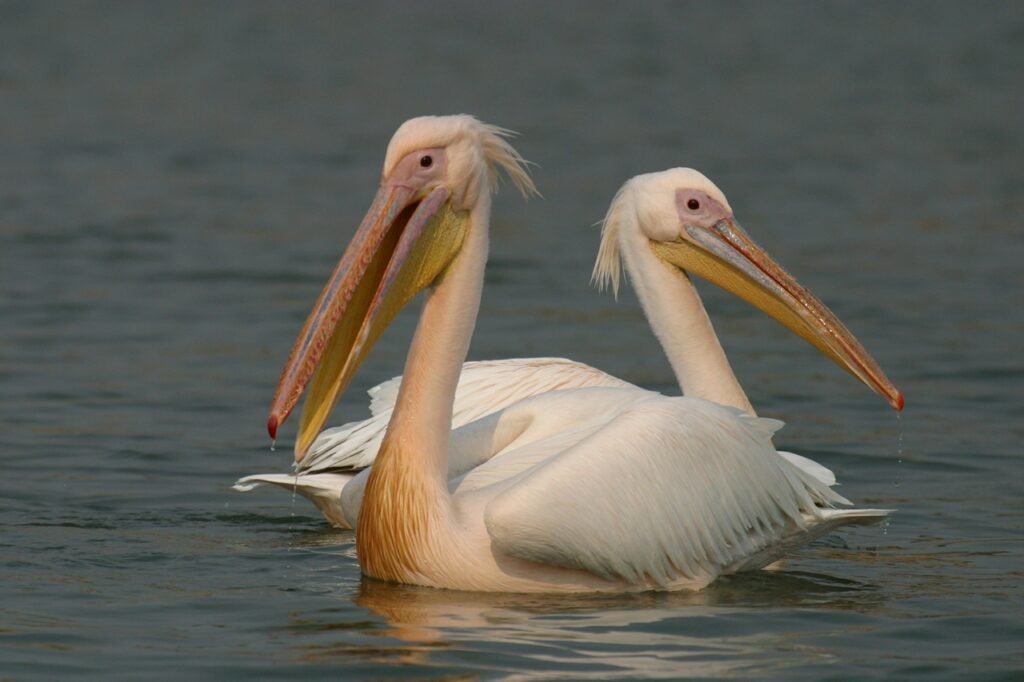
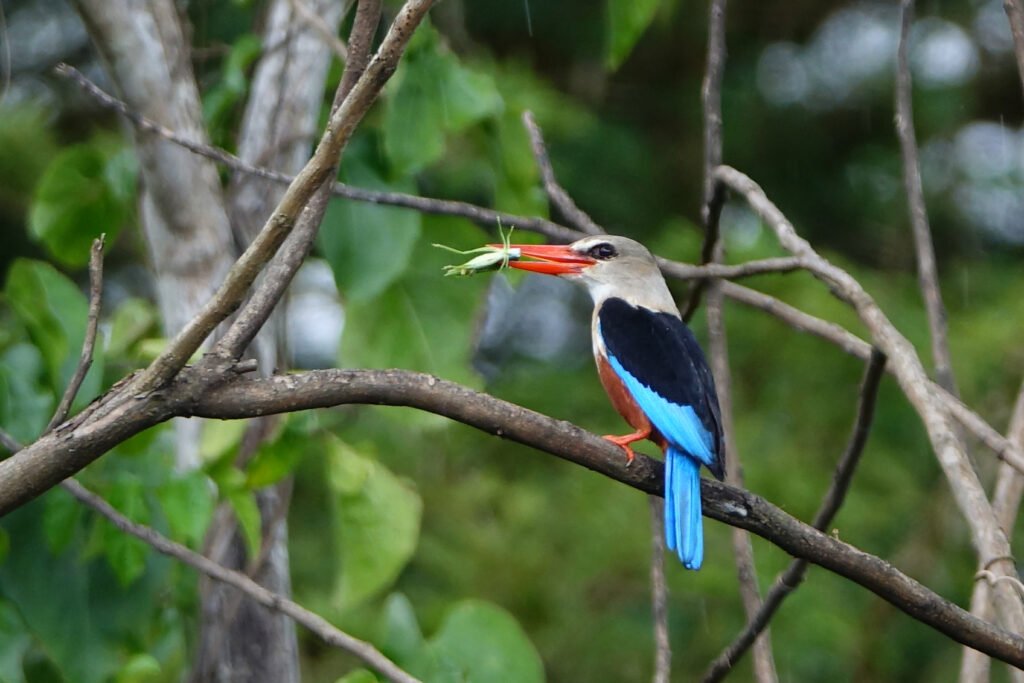
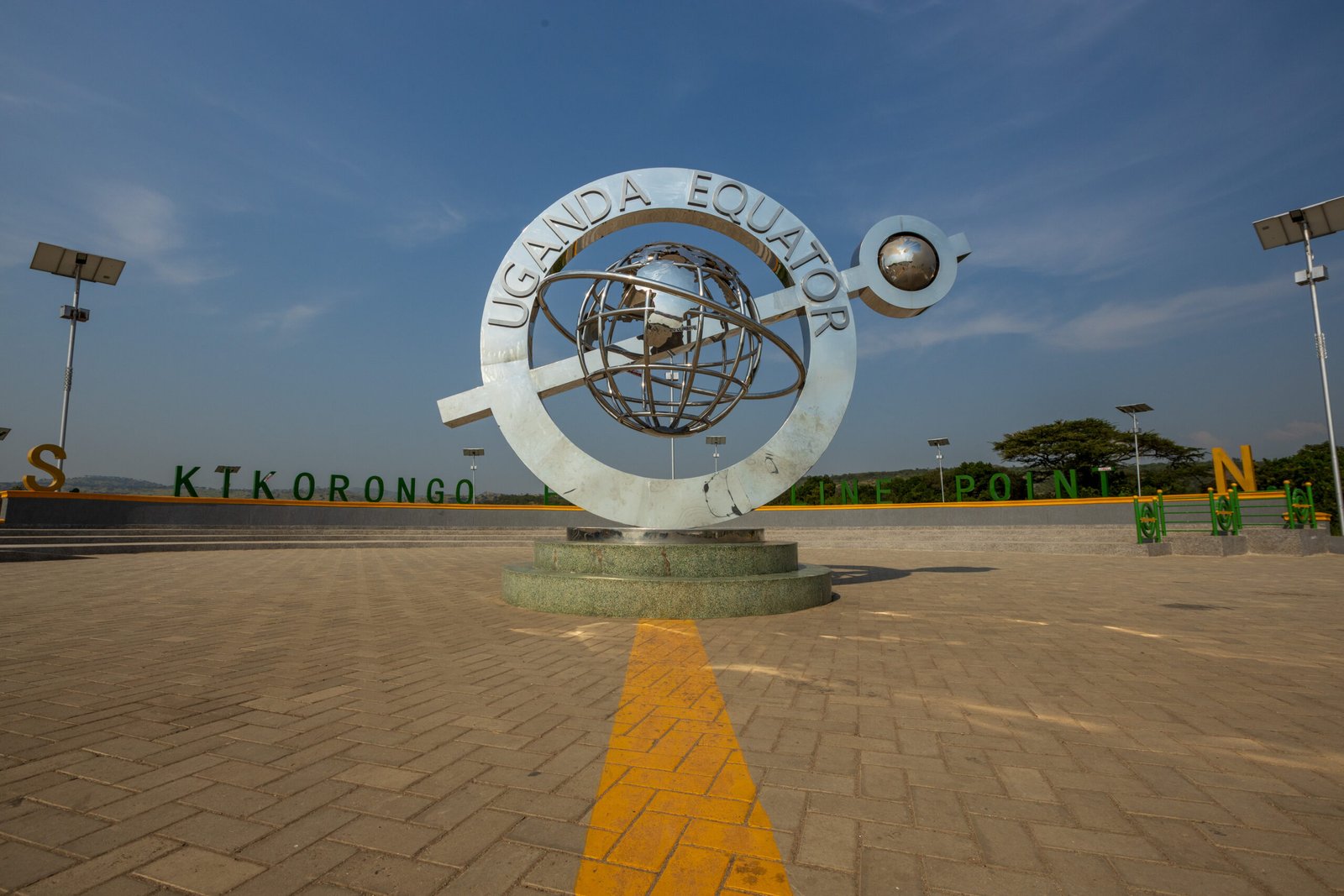
After a relaxed breakfast and some final forest-edge birding, we head south for approximately 120 KM. It’s a short drive of about two hours, taking us across the Equator and down into the savannah plains. We’ll enter Queen Elizabeth National Park in time for lunch. In the afternoon, we’ll board the boat for the Kazinga Channel cruise. This natural waterway is a birder's paradise; since we aren't rushing from a long drive, you’ll be fresh to enjoy hundreds of African Skimmers, Pelicans, Kingfishers, and Yellow-billed Storks. If you're lucky, you'll also be able to spot some hippos and elephants before we return to the lodge for dinner and an overnight stay.
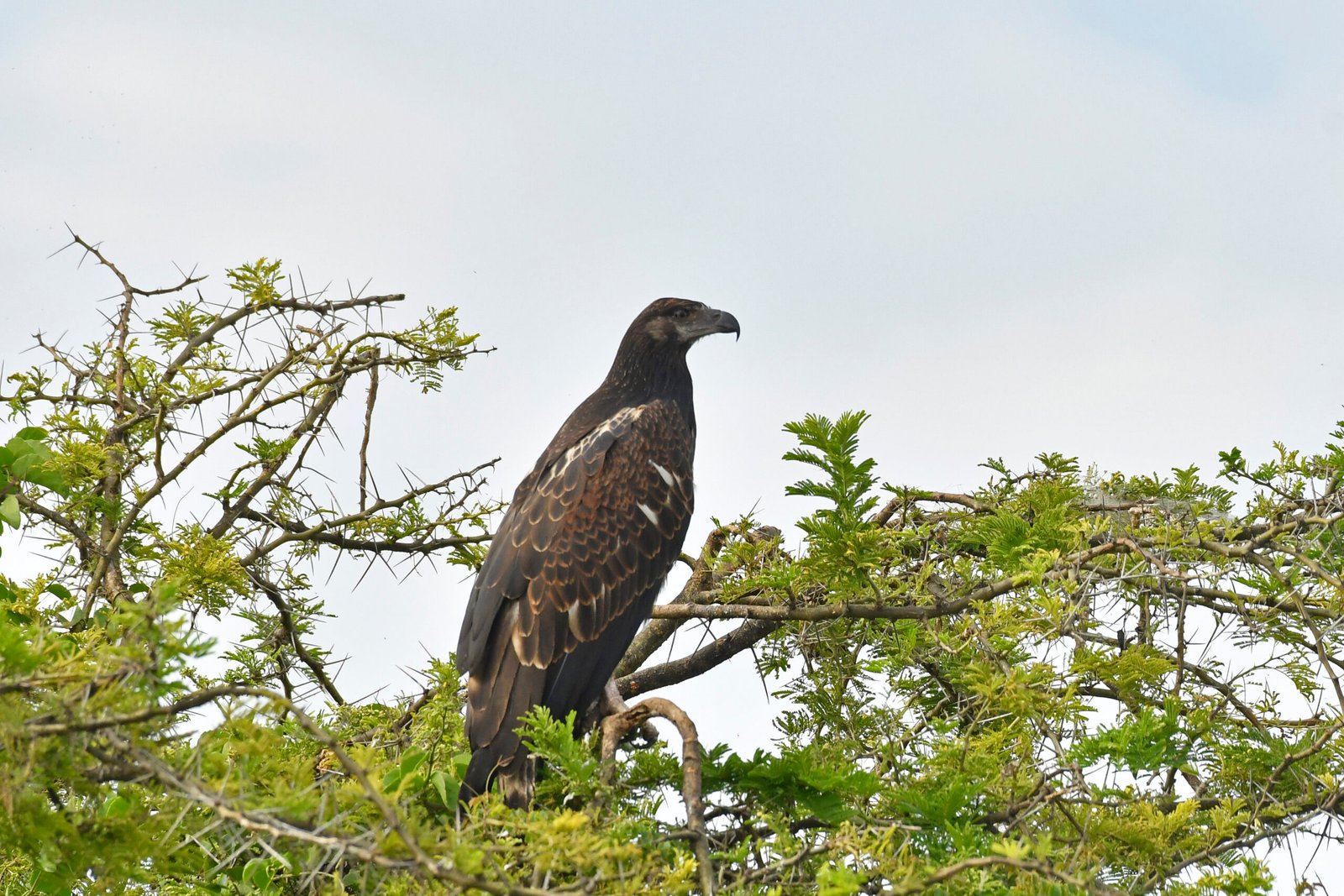
After Breakfast, We’ll start with a sunrise game drive across the Kasenyi plains, focusing on savannah specialists like the Grey-crowned Crane, Martial Eagle, and various Larks. Mid-morning, we begin our journey toward Lake Mburo, a scenic drive of about 180 KM. The landscape shifts from open plains to acacia woodlands as we enter Uganda’s smallest savannah park. After checking in and having lunch, we’ll head out for an evening birding walk or game drive to spot the Bare-faced Go-away-bird and the African Wattled Lapwing. We’ll settle in for the night at a lodge overlooking the park’s rolling hills.
Today is about the unique "whispers of the wild" found only in Lake Mburo. After breakfast, we'll take a morning boat trip on the lake to search for the rare and secretive African Finfoot and the Shining-blue Kingfisher. In the afternoon, after a well deserved lunch, we’ll go for a guided nature walk through the acacia forest to look for the Red-faced Barbet, Tabora Cisticola, and Coqui Francolin. Because this park has no lions or elephants, it’s one of the few places where we can bird on foot safely, allowing for better views of smaller "skulkers." We’ll return to the lodge for a bush dinner and an overnight stay.
On our final day, we’ll enjoy a slow breakfast before heading out for one last birding drive through the park. Later, we'll begin the 290 KM journey back to Entebbe midmorning. We’ll stop for a local lunch in Mbarara and make a final stop at the Equator for some craft shopping and expect to arrive at Entebbe by evening.
This is a conscious tourism experience that will have your perspectives challenged and broadened as you experience a new culture and hopefully gain fresh insights. Here are a few things you should know;